













This is the fifth in a series of articles where we’ll be covering the Top Dystopian Films. Dystopian Films are primarily in the Sci-Fi genre and feature a future society with a totalitarian or authoritarian state, humans living in a world ravaged by environmental disasters and a general decline in societal structures. Dystopian futures are most often found in subgenres including Post-Apocalypse Films, Cyberpunk Films, Future Noir Films, Films About Artificial Intelligence, Films About Robots, Time Travel Films, Survival Dramas and Survival Horror Films.
This fifth article will cover the Top Dystopian Films You Haven’t Seen from the 2010’s and you can check out additional articles by decade below. We are also going to include a Best Of subgenre article as a grand finale. There are so many great films featuring a dystopian future from the last 60 years that we felt it best to break down some of the subgenre’s forgotten and lesser-known gems by decade before we give you the Best Of list which will likely feature many films you’ve already heard of or have seen.
- Top Dystopian Films You Haven’t Seen – 1970’s
- Top Dystopian Films You Haven’t Seen – 1980’s
- Top Dystopian Films You Haven’t Seen – 1990’s
- Top Dystopian Films You Haven’t Seen – 2000’s
- Top Dystopian Films You Haven’t Seen – 2010’s
- Top Recent Dystopian Films
- Best Dystopian Films
Though Dystopian Films often feature a totalitarian or other oppressive form of government, they typically also show a form of extreme class struggle. This Dystopian theme was very prominent throughout the decade and involved class warfare, the technological disparity between wealthy and poor citizens and even the hunting and killing of lower-class citizens at the expense of the upper class. Other themes of the decade included the growing role of Robots and AI by totalitarian governments, Genetic Engineering as part of a Dystopian society and the explosion of dystopian-themed films based on Young Adult (YA) fiction novels.



Class warfare has been a subtheme of past Dystopian films such as The Running Man (1987) and Freejack (1992). However, different variations of how economic and societal class is exploited in a future Dystopia was an incredibly popular subgenre theme in the 2010’s. In Time (2011) explored a concept of buying time to live which favored the rich over the poor. The Purge (2013) launched a franchise of films which all explored a Dystopian future where one day of the year citizens can murder lower class citizens with no repercussions. And High-Rise (2015) featured a dark, satirical look at extreme class divide with class associated with the floor of the high rise you occupied. Other notable Dystopian films featuring class division and warfare included Repo Men (2010), The Hunger Games (2012), Snowpiercer (2013), Elysium (2013), Mad Max: Fury Road (2015), The White King (2017), Ready Player One (2018) and The Platform (2019).
In the 2010’s, Dystopian films with Robots and AI shifted thematically to incorporate more nefarious use of machines by an oppressive regime to rule over their citizenry. Oblivion (2013), while not a typical Dystopian film, did feature the use of robotic killing machines as enforcers and AI-based ‘propaganda’ within its narrative. The 2014 remake of RoboCop (1987) updated many of the themes of Dystopian corporate control of a city with drones, robots and cyborgs for modern audiences. And Code 8 (2019) featured a robotic, militarized police force.
Genetic Engineering and Cloning were also popular Dystopian themes of the decade. Never Let Me Go (2010) and Cloud Atlas (2012) both featured themes of cloning set in an oppressive, Dystopian future. And Genetic Engineering was the basis for Dystopian films Repo Men (2010), In Time (2011), Antiviral (2012), Allegiant (2016) and Blade Runner 2049 (2017).
The rise of films adapted from Young Adult (YA) Dystopian Novels became so popular this decade, that it could technically be classified within its own subgenre. Many popular YA Novels with themes of Dystopia became successful subgenre film franchises. The Hunger Games (2012) was a popular adaptation of the dystopian novel of the same name by Suzanne Collins and would continue with sequels The Hunger Games: Catching Fire (2013), The Hunger Games: Mockingjay – Part 1 (2014) and The Hunger Games: Mockingjay – Part 2 (2015). Divergent (2014), Insurgent (2015) and Allegiant (2016) were all film adaptions of the dystopian post-apocalyptic series of books by Veronica Roth. And The Maze Runner series of young adult dystopian novels by James Dashner would be adapted into The Maze Runner (2014), Maze Runner: The Scorch Trials (2015) and Maze Runner: The Death Cure (2018). Other films adapted from dystopian fiction novels that targeted a younger audience included Never Let Me Go (2010) based on Kazuo Ishiguro’s novel, The White King (2017) based on György Dragomán’s novel and The Darkest Minds (2018) based on a novel of the same name by Alexandra Bracken.
Our complete list of Dystopian Films features over 220+ films from 1965 – 2023. This collection features Dystopian futures with totalitarian governments, worlds ruled by mega corporations, post-apocalyptic worlds due to war or environmental disasters and general societal decline. If you don’t see a film in our collection, it is likely in other collections such as Post-Apocalyptic Films, Virus & Pandemic Films, Cyberpunk Films and Survival Dramas. Also, as we’re always updating our collections and will be releasing additional articles of great Dystopian Films, subscribe to our newsletter for our latest updates as we post them.
Classic Dystopian Films from the 2010’s: The Book of Eli (2010), In Time (2011), The Hunger Games (2012), Lockout (2012), Total Recall (2012), Dredd (2012), Cloud Atlas (2012), Oblivion (2013), The Purge (2013), Snowpiercer (2013), Divergent (2014), X-Men: Days of Future Past (2014), The Maze Runner (2014), Mad Max: Fury Road (2015), The Lobster (2015), What Happened to Monday (2017), Blade Runner 2049 (2017), Isle of Dogs (2018), Ready Player One (2018), Mortal Engines (2018), Alita: Battle Angel (2019) and The Platform (2019).
Lesser-known Dystopian Films from the 2010’s that didn’t make our list: Repo Men (2010), Zenith (2010), Priest (2011), Automata (2014), Brick Mansions (2014), Antiviral (2012), No Men Beyond This Point (2015), Z for Zachariah (2015), High-Rise (2015), The Worthy (2016), Blame! (2017), The Manual (2017), The Darkest Minds (2018) and Code 8 (2019).
Note: We are a participant in the Amazon Services LLC Associates Program, an affiliate advertising program designed to provide a means for us to earn fees by linking to Amazon.com and affiliated sites.
Here is our list of the Top Dystopian Films from the 2010’s:
#10
The Nostalgist
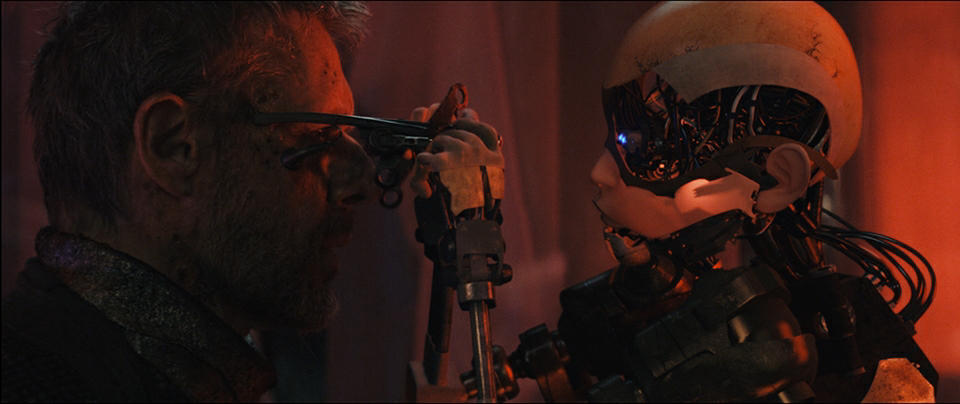
Plot: In the futuristic city of Vanille, with properly tuned ImmerSyst Eyes & Ears the world can look and sound like a paradise. But the life of a father and his young son threatens to disintegrate when the father’s device begins to fail. Desperate to avoid facing his own traumatic reality, the man must venture outside to find a replacement, into a city where violence and danger lurk beneath a skim of beautiful illusion.
KBZ’s Take: This is a very short film that’s only 15 minutes long. However, what it packs into those 15 minutes is some of the very best of the Dystopian film subgenre.
Though the story might seem familiar, we’re mainly recommending the film for its Dystopian visuals and theme that are well worth checking out.
Where to Stream / Buy: https://youtu.be/ZzCQtoQ8ypk

Plot: The dreams of three adult siblings in Germany are wrecked by difficult relationships and their unwitting involvement with a terrorist organization in a near-future Dystopia.
KBZ’s Take: This isn’t one of your typical subgenre films as it doesn’t feature some of the glitzier technology or gloomier elements of Dystopian futures. What it does show is a realistic look at a fictional near future of Europe that’s in the process of collapsing.
There are some futuristic technological elements in the film, but they are very subtle. The film is first and foremost about relationships as the world is seemingly going to hell. It’s a slow-moving film but still recommended for fans and completists of the subgenre.
Where to Stream / Buy: https://amzn.to/3NUTmce
#8
Level 16

Plot: The teenage girls of Vestalis Academy are meticulously trained in the art of being ‘clean girls’, practicing the virtues of perfect femininity. But what exactly are they being trained for? Vivien intends to find out.
KBZ’s Take: Level 16 is a great example of how films shot on a shoestring budget can work with good direction, quality acting and an interesting premise.
The film is reminiscent of other Young Adult (YA) Dystopian fiction novels with its young cast and a narrative filled with mystery and suspense. It’s a surprisingly good subgenre film that fans shouldn’t miss.
Where to Stream / Buy: https://amzn.to/44NGkV1
#7
Equals
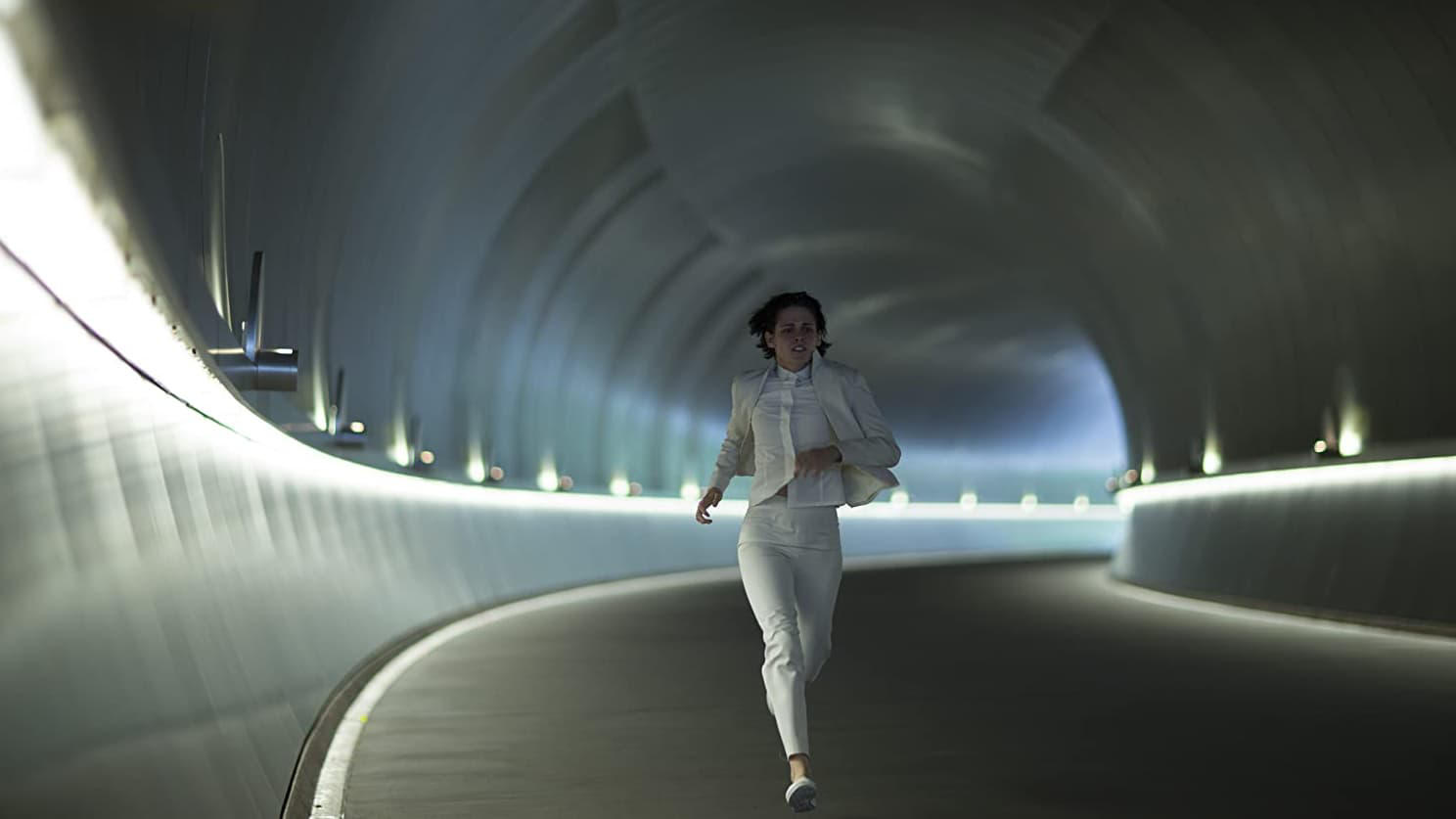
Plot: A futuristic love story set in a world where emotions have been eradicated.
KBZ’s Take: Equals has a similar premise to the subgenre classic Equilibrium (1999). But, where Equilibrium is an action-packed sci-fi thriller, Equals is a very slow-moving sci-fi romance about love in an emotionless world.
While the film does suffer a bit from the slow developing plot, it’s an amazing film to look at. It’s a very unique world filled with interesting futuristic technology and a Dystopian theme of emotions thought of as a disease.
Nicholas Hoult and Kristen Stewart are the stars of the film and help keep it somewhat engaging throughout the film’s runtime (and somewhat predictable conclusion). But we would still recommend the film for subgenre fans due to the Dystopian visuals and world building.
Where to Stream / Buy: https://amzn.to/3pLiaLZ
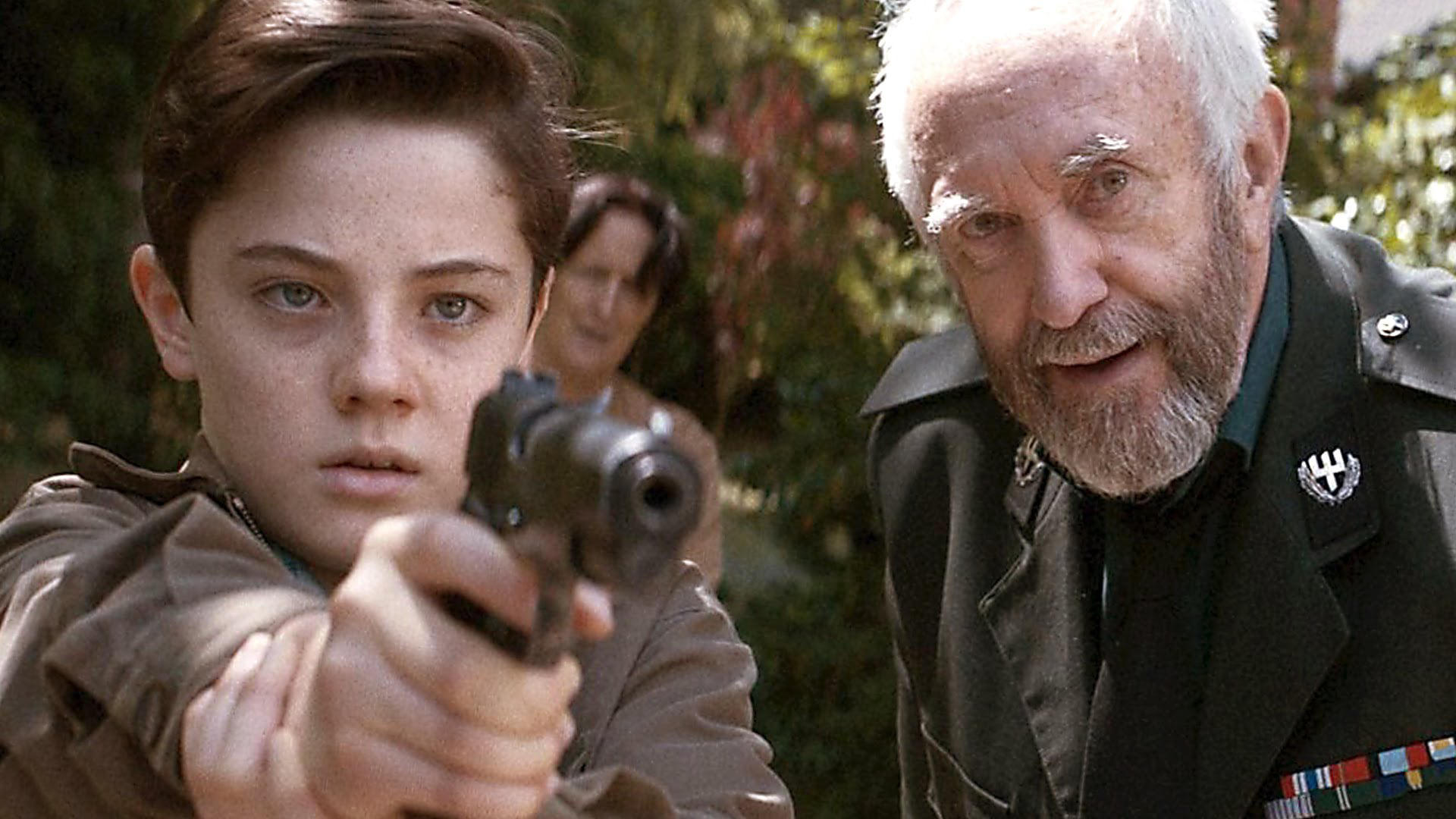
Plot: Djata is a care-free 12-year-old growing up in a brutal dictatorship shut off from the outside world. When the government imprisons his father, Peter, and Djata and his mother Hannah are labeled traitors, the boy will not rest until he sees his father again.
KBZ’s Take: This is one of the better films of the subgenre that highlights a Dystopian totalitarian regime and how it functions in a fictional society. There are militaristic themes, rationing of food for the lower class and aspects of a surveillance state for control.
Though the film’s plot moves along at a leisurely pace, we think this was intentional to pull back the all the layers of the Dystopian society. The acting is also solid with some familiar faces including Fiona Shaw, Jonathan Pryce and Greta Scacchi.
With all of that said, we think general film fans might not enjoy the film as much as subgenre fans. However, fans of the subgenre will likely enjoy both the overt and subtle references to communism, fascism and other oppressive ideologies transposed to a future Dystopia.
Where to Stream / Buy: https://amzn.to/44FghQh

Plot: This is a story about a common man who has extraordinary events in his mundane life. The film depicts the protagonist’s turns of events in three eras, three seasons, three nights, in the same city, as told with reverse chronology.
KBZ’s Take: We wanted to start off by saying this film only includes one act set in a Dystopia future. The film has three separate time periods told in reverse with the Dystopian setting featured first (in the film). It’s also a film that is more about a man and the actions he takes based on revelations from his past.
The Dystopian segments of the film play almost like a Future Noir Film with the main character Zhang Dong Ling (Jack Kao) throwing himself to his death, visits multiple prostitutes and then disguises himself as a doctor to kill a patient – all shown in that order in the first act.
The rest of the film is about Zhang and the corruption, love, heartbreak and humiliation that led him to these eventual acts. It’s a fascinating character study even if it mimics Memento’s (2000) reverse chronological mystery and reveals. However, we would still encourage subgenre fans to at least check the film out for the Dystopian elements in the first act – and we’re pretty confident you’ll stick with the film to watch the rest of Zhang’s story.
Where to Stream / Buy: https://www.netflix.com/title/81024041
#4
The Rover

Plot: 10 years after a global economic collapse, a hardened loner pursues the men who stole his car through the lawless wasteland of the Australian outback, aided by the brother of one of the thieves.
KBZ’s Take: We would categorize this film as a Post-Apocalypse Film with Dystopian elements vs. a more straightforward Dystopian future similar to other films on our list. And like Director David David Michôd’s Animal Kingdom (2010), it’s a slow, methodical film that builds tension and suspense to an explosive and violent conclusion.
Where to Stream / Buy: https://amzn.to/3XQdocG
#3
The Congress
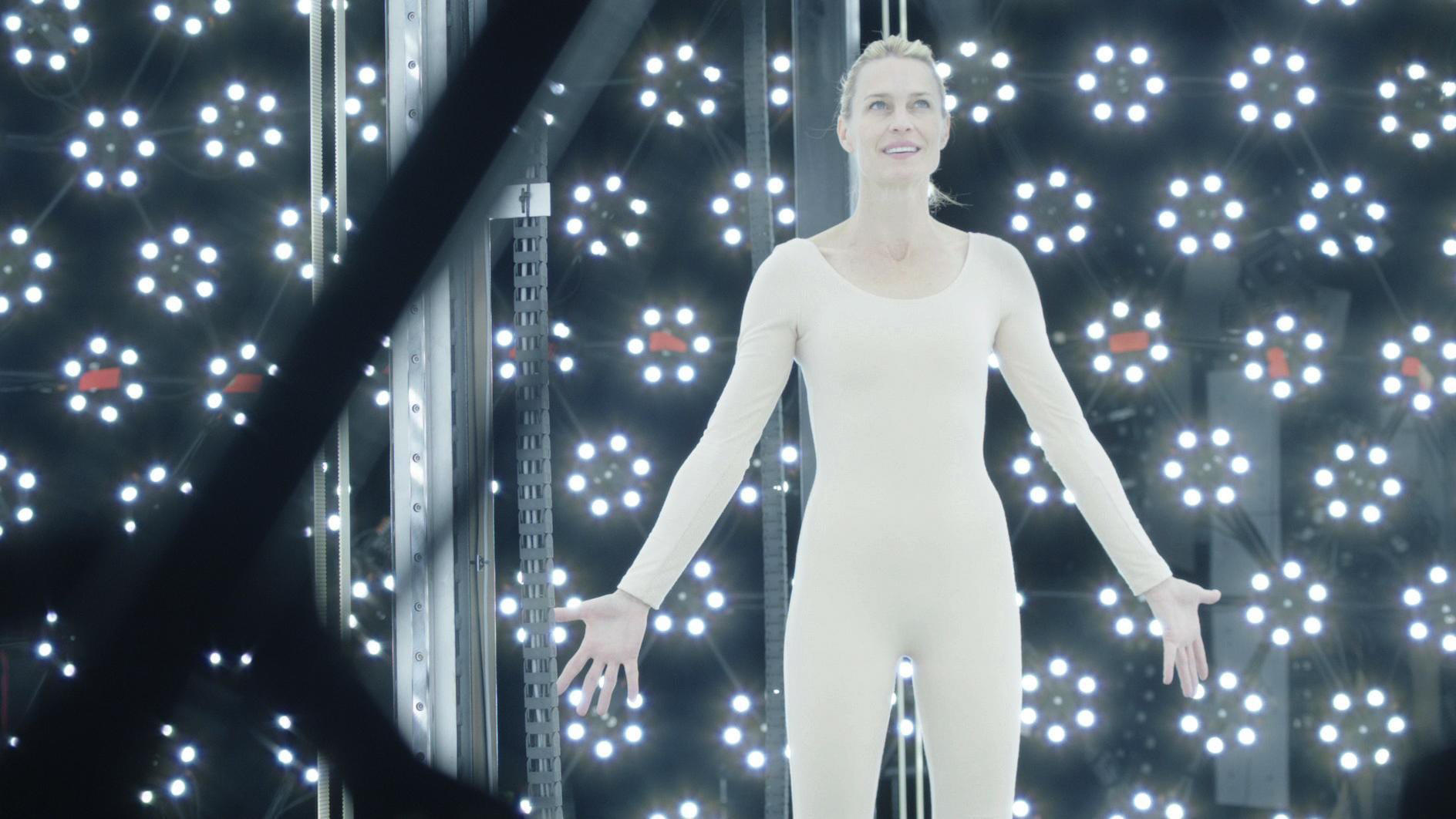
Plot: An aging, out-of-work actress accepts one last job, though the consequences of her decision affect her in ways she didn’t consider.
KBZ’s Take: We’re listing this film for a few reasons and with some caveats. First, it’s probably the most topical film on our list as the plot resembles the real-world situation going on right now with the SAG-AFTRA strike. In short, film studios want to digitally capture an actor, pay them once and then use an AI version of the actor in perpetuity. This is the same premise of The Congress.
Second, and this is more of a caveat, there is a very definitive line between people who love or hate this film. The first part of the film focuses on Robin Wright (as herself) as she wrestles with the idea of selling her likeness and that is set in the real world. Most of the second portion of the film is set in an animated world where the studio is now using her AI likeness. This is the portion that turns some people off as it’s a complete visual and tonal shift in the film.
Even if you’re turned off by the animated portion of the film, it’s still a film worth checking out for its accurate prediction of a sci-fi theme and resulting Dystopian future.
Where to Stream / Buy: https://amzn.to/3rysoQ5

Plot: In an attempt to spur citizens into taking more productive roles in society, the Japanese government issues death messages, or ikigami, informing them that they have only 24 hours left to live. The film follows a young man tasked with delivering these messages, as well as the victims.
KBZ’s Take: We’re cheating a bit on Ikigami as it was technically released in Japan in late 2008 and we mistakenly overlooked the film in our previous article of 2000’s Dystopian Films. So, we’re going to create our own special loophole to include the film on this list as it’s one of the best films of the subgenre.
First and foremost, this film is mainly a drama set in a Dystopian environment. The totalitarian government injects nanotechnology in children and 1 out of 1000 of these children will have the nanotechnology injection stop their heart between the ages of 18-24. There are also other totalitarian measures including thought crimes, surveillance and strict conformity for the ‘betterment of society’.
The main narrative of the film follows Kengo (Shôta Matsuda) as he delivers the ‘death notices’ to three people. What each person does with their remaining 24 hours to live is at the heart of the film.
This is a film we highly recommend for every fan of the subgenre. Though it doesn’t have the action or thrills of similar subgenre films, Ikigami is one of the best films about governmental control of your life and how you would use your last moments.
Note: Unfortunately, we cannot find a streaming link (or legitimate DVD seller) of the film so have supplied the link below to see the film. We will update the link when the film is available to stream.
Where to Stream / Buy: https://www.dailymotion.com/video/x8i9kpn
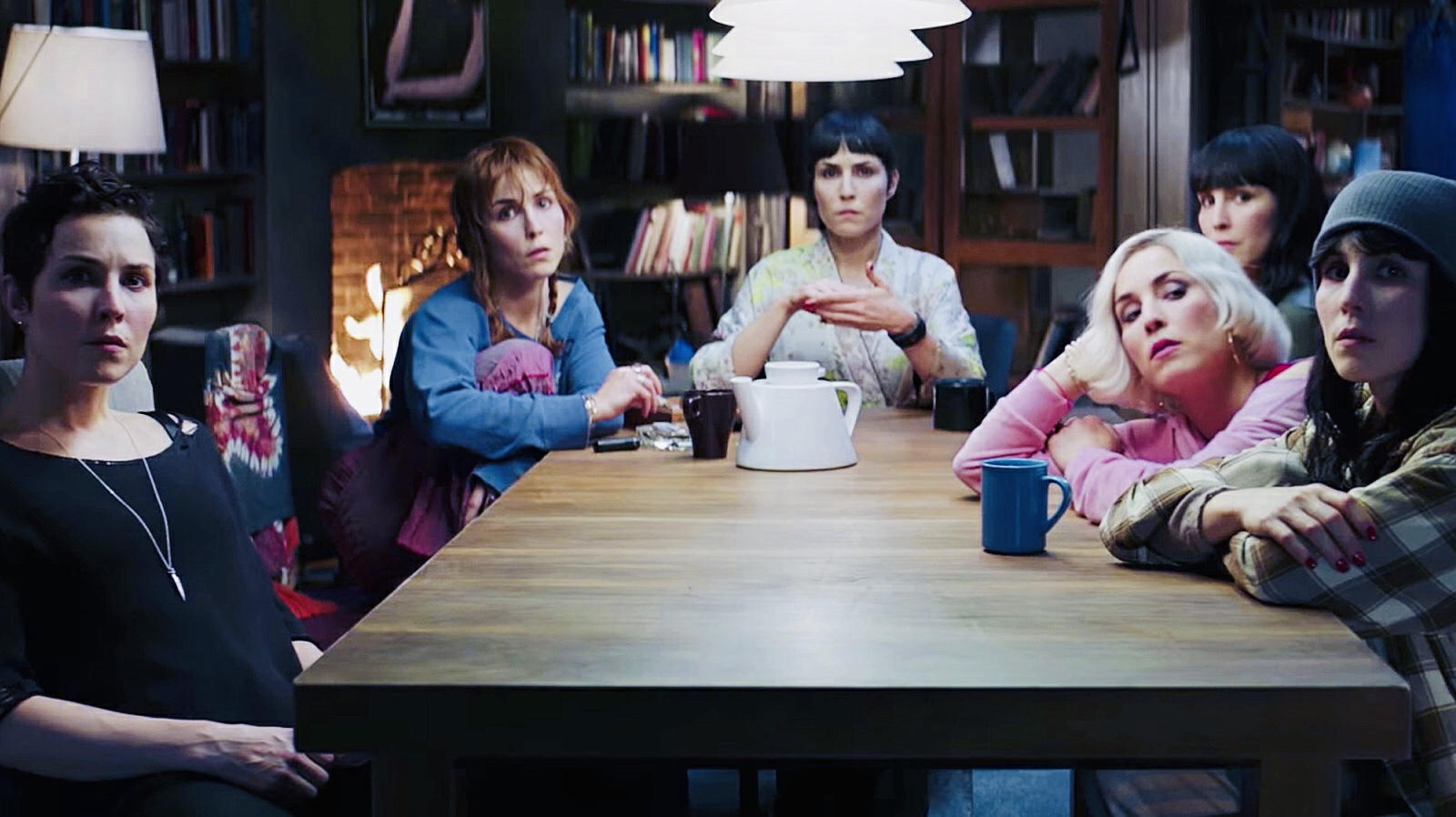
Plot: In a world where families are limited to one child due to overpopulation, a set of identical septuplets must avoid being put to a long sleep by the government and dangerous infighting while investigating the disappearance of one of their own.
KBZ’s Take: We realize this is a popular film and most Netflix users have probably already seen the film. However, we wanted to highlight it as it’s still one of the lesser-known films of the subgenre that deserves status as a classic film of the decade.
Unlike Ikigami, What Happened to Monday is full of action and thrills in a Dystopian society where the Settman siblings (seven sisters all played by Naomi Rapace) are discovered by the totalitarian government. From there it’s all an action-packed thrill ride filled with mystery, suspense and violence.
This isn’t a film that focuses on the deeper themes of totalitarian governments or its Dystopian theme of overpopulation, but the film doesn’t need to as it’s an adrenaline rush from start to finish. Highly recommended for fans of the subgenre and it’s a film worth getting a Netflix subscription to watch.
Note: We’re not affiliated with Netflix nor do we get compensated for promoting their films or subscriptions.
Where to Stream / Buy: https://www.netflix.com/title/80146805