











The Films About Samurai microgenre is generally featured in the Action, Thriller, Drama, War and Historical genres. For our subgenre and microgenre categorization, we also include Films About Ninjas within this subgenre as some films will feature both Ninjas and Samurai. This subgenre often includes other subgenres such as Martial Arts Films, War Films Set During Medieval Asia, Thriller Revenge Films, Films About Vigilantes and Historical Films Set During the Early Modern Period of Asia.
Our list below focuses on Samurai specific films. Though some of these films will include Ninjas as well, this list will include films where the primary focus is on Samurai and Ronin. We have a separate article that outlines the Top Films About Ninjas You Haven’t Seen. Also, for further clarification on the differences between Ninjas vs. Samurai vs. Ronin for our list:
Ninjas (Shinobi) = Mercenaries; stealth assassins



Samurai = Elite warriors; often member of the military
Ronin = Samurai with no lord or master; often a mercenary
War History Online has a great breakdown of the different warrior classes of feudal Japan that you can read here.
Films About Samurai have been a constant microgenre of Japanese Cinema for over 70 years. Samurai Films are closely aligned to the Western subgenre as they often feature the same film tropes – and some Westerns have even utilized themes from Films About Samurai.
Akira Kurosawa’s Seven Samurai (1954) is the most popular and well-known classic Samurai Film that has inspired multiple Westerns including one of the most famous Westerns of all time – The Magnificent Seven (1960). For purposes of our lists, we have started with films generally made after 1970, but the Samurai Film microgenre has many classics films made before 1970 including Rashomon (1950), Throne of Blood (1957), The Hidden Fortress (1958), The Master Spearman (1960), Yojimbo (1961), Sanjuro (1962), Harakiri (1962), The Tale of Zatoichi (1962), Samurai Assassin (1965), The Sword of Doom (1966), Samurai Rebellion (1967), Kill! (1968), Shinsengumi (1969) and Hitokiri (1969).
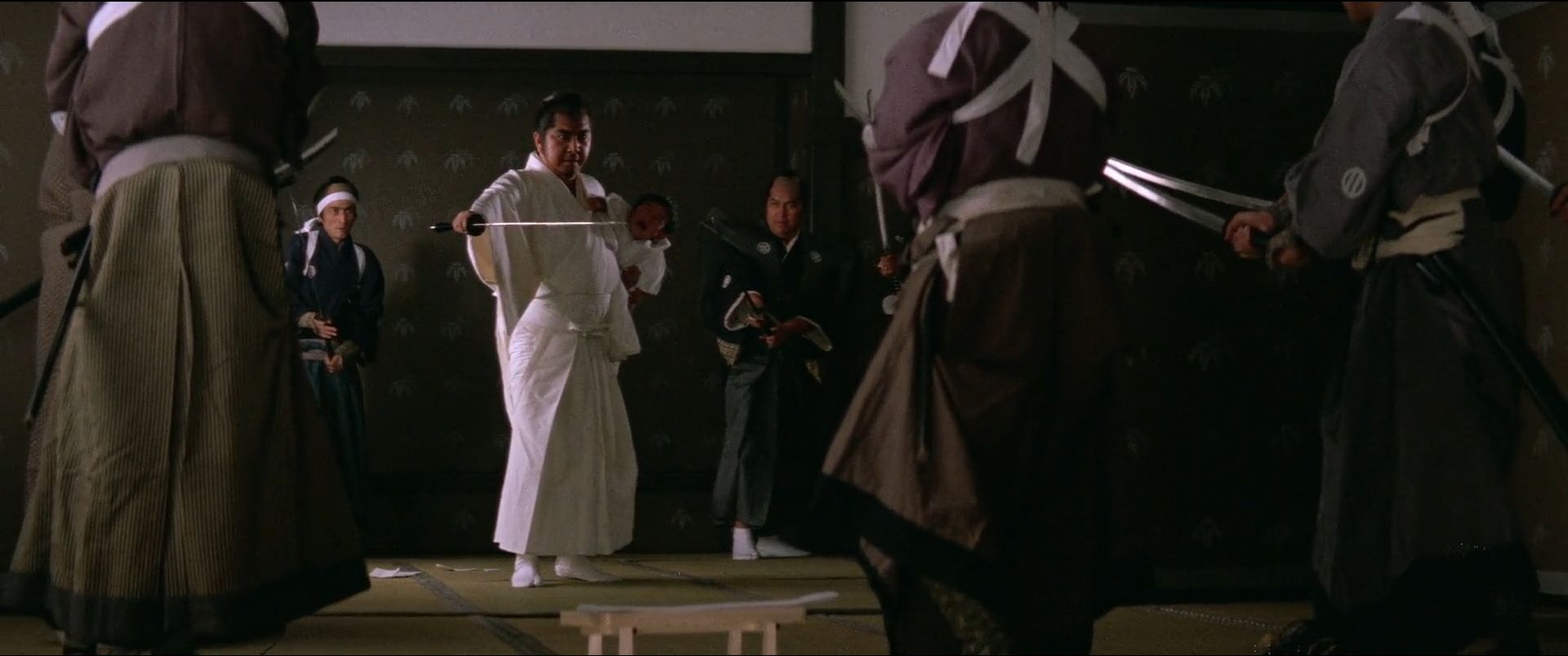
Samurai Films in the 1970’s were dominated by one bloody franchise – Lone Wolf and Cub. This is a classic Samurai film series that produced 6 films including Lone Wolf and Cub: Sword of Vengeance (1972), Lone Wolf and Cub: Baby Cart at the River Styx (1972), Lone Wolf and Cub: Baby Cart to Hades (1972), Lone Wolf and Cub: Baby Cart in Peril (1972), Lone Wolf and Cub: Baby Cart in the Land of Demons (1973) and Lone Wolf and Cub: White Heaven in Hell (1974).
Other themes of Samurai Films developed in the 70’s including a Horror-inspired Samurai film in Demons (1971), a Dirty Harry, tough cop theme (with very sexual overtones) in Hanzo the Razor: Sword of Justice (1972), female Samurai assassins in Lady Snowblood (1973) and even a time travel film featuring modern Japanese soldiers fighting Samurai in G.I. Samurai (1979). Other classic and notable microgenre films of the 70’s included Incident at Blood Pass (1970), Zatoichi Meets the One-Armed Swordsman (1971), Inn of Evil (1971), Red Sun (1971), Bohachi Bushido: Code of the Forgotten Eight (1973), The Shogun’s Samurai (1978), The Fall of Ako Castle (1978) and The Shogun Assassins (1979).
The 1980’s were dominated by Films About Ninjas, but there were still many classic Samurai Films released in the decade. Kagemusha (1980) and Ran (1985) are not only two of the best films of the 80’s but also two of the best films of the Samurai microgenre. Horror-inspired Samurai films continued into the 80’s with Samurai Reincarnation (1981) and Blood Beat 1983). And Shogun Assassin (1980) was released for Western audiences that featured footage from the first two films in the Lone Wolf and Cub series. Other notable films of the Samurai Film microgenre from this decade included The Challenge (1982), Gonza the Spearman (1986), Shogun’s Shadow (1989) and Zatoichi (1989).
In the 1990’s, as the Films About Ninjas microgenre featured more Family-friendly themes, the Films About Samurai microgenre focused on more Historical themes. Heaven and Earth (1990) was set in feudal Japan and included the Battle of Kawanakajima. And Fukuzawa Yukichi (1991) was a biopic of the famous Japanese author and teacher who founded Keio University and was an advocate for reform in Japan and introduction to Western culture. Other notable microgenre films in the 1990’s included Journey of Honor (1991), Lone Wolf and Cub: The Final Conflict (1993), 47 Ronin (1994), The Hunted (1995), The Abe Clan (1995), Ghost Dog: The Way of the Samurai (1999) and After the Rain (1999).
Samurai Films in the 2000’s saw many additional themes develop. Female Samurai assassins led the way in Sakuya: The Slayer of Demons (2000), Azumi (2003), Kill Bill: Vol. 1 (2003), Kill Bill: Vol. 2 (2004) and Geisha Assassin (2008). Romance-inspired tales of the Samurai included The Twilight Samurai (2002), Shinobi: Heart Under Blade (2005), The Samurai I Loved (2005), The Hidden Blade (2005) and Love and Honor (2006). Other notable Samurai films of the decade included Dora-heita (2000), Gojoe: Spirit War Chronicles (2001), Vengeance for Sale (2002), When the Last Sword is Drawn (2003), Aragami (2003), The Last Samurai (2003) and Hana (2006).
The 2010’s saw a resurgence of the Samurai Film microgenre – the most prominent being the modernized tale of Samurai in the Rurouni Kenshin film franchise based on the popular magna. This successful franchise was geared towards a younger demographic and included five films – Rurouni Kenshin Part I: Origins (2012), Rurouni Kenshin Part II: Kyoto Inferno (2014), Rurouni Kenshin Part III: Origins (2014), Rurouni Kenshin: The Final (2021) and Rurouni Kenshin: The Beginning (2021). Other notable microgenre films within this decade included Yamada: The Samurai of Ayothaya (2010), Sword of Desperation (2010), A Boy and His Samurai (2010), 13 Assassins (2010), The Last Ronin (2011), At River’s Edge (2011), Hara-Kiri: Death of a Samurai (2011), The Wolverine (2013), Unforgiven (2013), 47 Ronin (2013), Uzumasa Limelight (2014) and Killing (2018).
Our list of Films About Ninja and Samurai includes over 83+ films from 1954 – 2021. These films include Films About Ninjas, Films About Samurai and Film About Ronin. Our list primarily includes microgenre films residing within the Action, Thriller and Historical genres.
Classic, must-see Samurai Films: Seven Samurai (1954), Incident at Blood Pass (1970), Lone Wolf and Cub: Sword of Vengeance (1972), Lady Snowblood (1973), Kagemusha (1980), Ran (1985), Heaven and Earth (1990), The Hunted (1995), The Twilight Samurai (2002), When the Last Sword is Drawn (2003), The Last Samurai (2003), Kill Bill: Vol. 1 (2003), 13 Assassins (2010) and Hara-Kiri: Death of a Samurai (2011).
Lesser-known Ninja Films that didn’t make our list: The Ambitious (1970), Demons (1971), Hanzo the Razor: Sword of Justice (1972), The Last Samurai (1974), Bandits vs. Samurai Squadron (1978), Hunter in the Dark (1979), The Shogun Assassins (1979), Death Shadows (1986), Zatoichi (1989), Shogun’s Shadow (1989), After the Rain (1999), Aragami (2003), Hana (2006), Love and Honor (2006), Sword of Desperation (2010) and Killing (2018).
For our list of Top Films About Samurai You Haven’t Seen, we wanted to focus on more of the unusual rare and hidden gems within the microgenre. Though this list will have some classic Samurai tales, we wanted to make sure you don’t miss out on some very good (but obscure) Samurai films within the Romance, Comedy, Sci-Fi and Drama genres.
We have embedded a compilation video of our Top Films About Samurai You Haven’t Seen and more details on these films can be found in the list below. Note: We are a participant in the Amazon Services LLC Associates Program, an affiliate advertising program designed to provide a means for us to earn fees by linking to Amazon.com and affiliated sites.
#10
G.I. Samurai
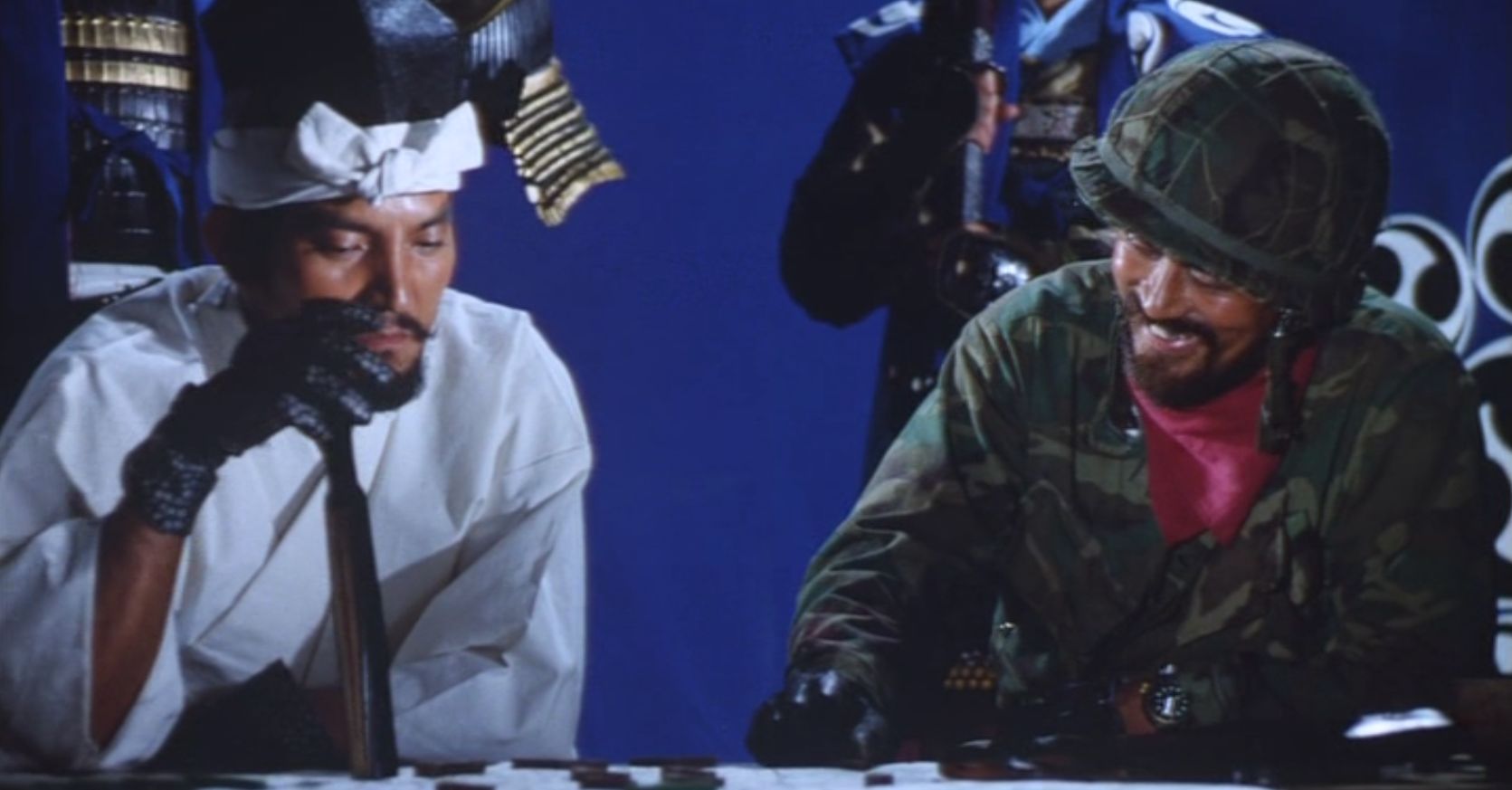
Plot: A squadron of Japanese Self-Defense Force soldiers find themselves transported through time to their country’s warring states era, when rival samurai clans were battling to become the supreme Shogun.
KBZ’s Take: We told you this list would include some very unusual Samurai Films and G.I. Samurai is one of the strangest. Similar to another Time Travel film in The Final Countdown (1980), a squadron of Japanese soldiers are sent back in time to face off against Samurai. While The Final Countdown wrestled with the age-old paradox of Time Travel, “if we interfere with this past, will we change it?”, G.I. Samurai has no qualms about ignoring those paradoxes and gets right into in the action. If you ever wondered how Japanese soldiers with modern weapons would stack up against centuries old Samurai, then this is your film. Though the film is sometimes hard to follow (especially with respect to allegiances), it’s worth watching if only for the massive battle sequence in the third act. Recommended film of the microgenre.
Where to Stream / Buy: https://youtu.be/_Fjyf898bDo
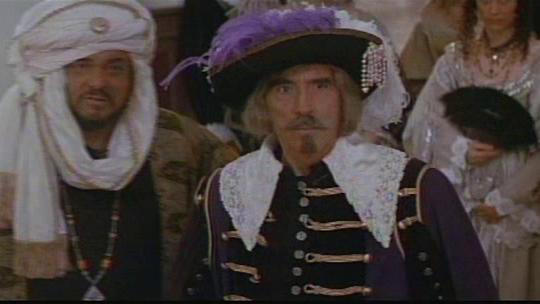
Plot: The son of a besieged Shogun in war-torn 17th century Japan travels to Spain to buy weaponry from the king.
KBZ’s Take: Sho Kosugi was one of the most popular action stars of the 80’s playing various good and bad characters (mostly Ninjas) in a variety of films. Journey of Honor was his attempt at creating an action-adventure film in the vein of Indiana Jones that focused on east meets west. While the film isn’t a classic by any means, it’s not a bad watch – especially if you like period pieces or Films Set During the Renaissance Era. It also attempts to answer the question of how a Samurai of the time period would fare in battle against a Spanish Knight.
Where to Stream / Buy: https://youtu.be/KoZ6J7QVFxg
#8
Unforgiven
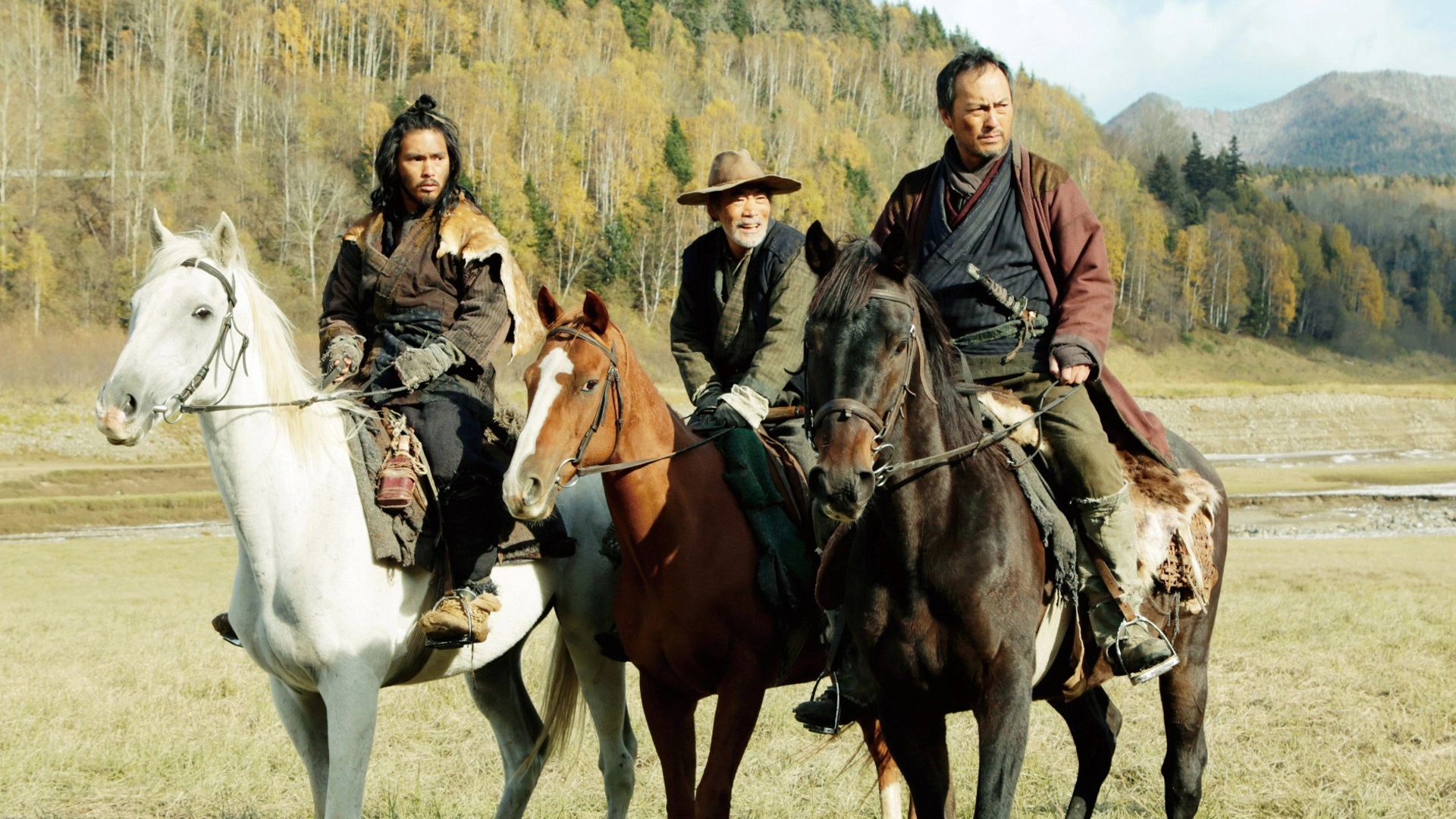
Plot: 10 years after the Battle at Goryoukaku, Jubei lives with his kid in relative peace. He is barely able to make a living. Protecting his dead wife’s grave, Jubei has decided to never pick up a sword again, but due to poverty he has no choice but to pick the sword again and becomes a bounty hunter.
KBZ’s Take: If the name and plot of this film seems similar to the Clint Eastwood film Unforgiven (1992), its because it’s exactly the same – except with Samurais. The same plot points are present in this film but transported east to the Edo Period of Japan. Ken Watanabe plays the Clint Eastwood role and is just as good as Eastwood as the reluctant killer. Fans of Eastwood’s Unforgiven should give this film a watch as it’s a great companion piece to the original Unforgiven and a great film within the Samurai Film microgenre.
Where to Stream / Buy: https://amzn.to/3kIlQen

Plot: A samurai from the Edo Period time travels to present day Japan where he meets a divorcée and her son.
KBZ’s Take: This is one of a few films in the Samurai Films microgenre that’s a Fish Out of Water romantic comedy. Though the time travel aspects are never explained, it’s not important as the film is more about the clash of past and present cultures and customs in Japan. It has some very funny and touching moments (especially between the Samurai and the woman’s son) and is a surprisingly heartfelt film.
Where to Stream / Buy: N/A
#6
Red Sun

Plot: In 1870, Japanese ambassador Sakaguchi and his entourage travel by train to Washington to deliver a valuable sword to the President of the United States, a gift from the Emperor of Japan. On board the same train are two robbers, Link and Gauche, ready to make their move…
KBZ’s Take: Another ‘east meets west’ film on our list but one that plays within the realities of the time period. The film has some classic actors of both Westerns (Charles Bronson) and Samurai Films (Toshirô Mifune) who team up after getting double-crossed. The film is ultimately a Western at heart and features a fight between a Samurai and Comanche Indian. Highly recommended film of both the Western Thrillers subgenre and Samurai Film microgenre.
Where to Stream / Buy: https://amzn.to/3WO8JWu
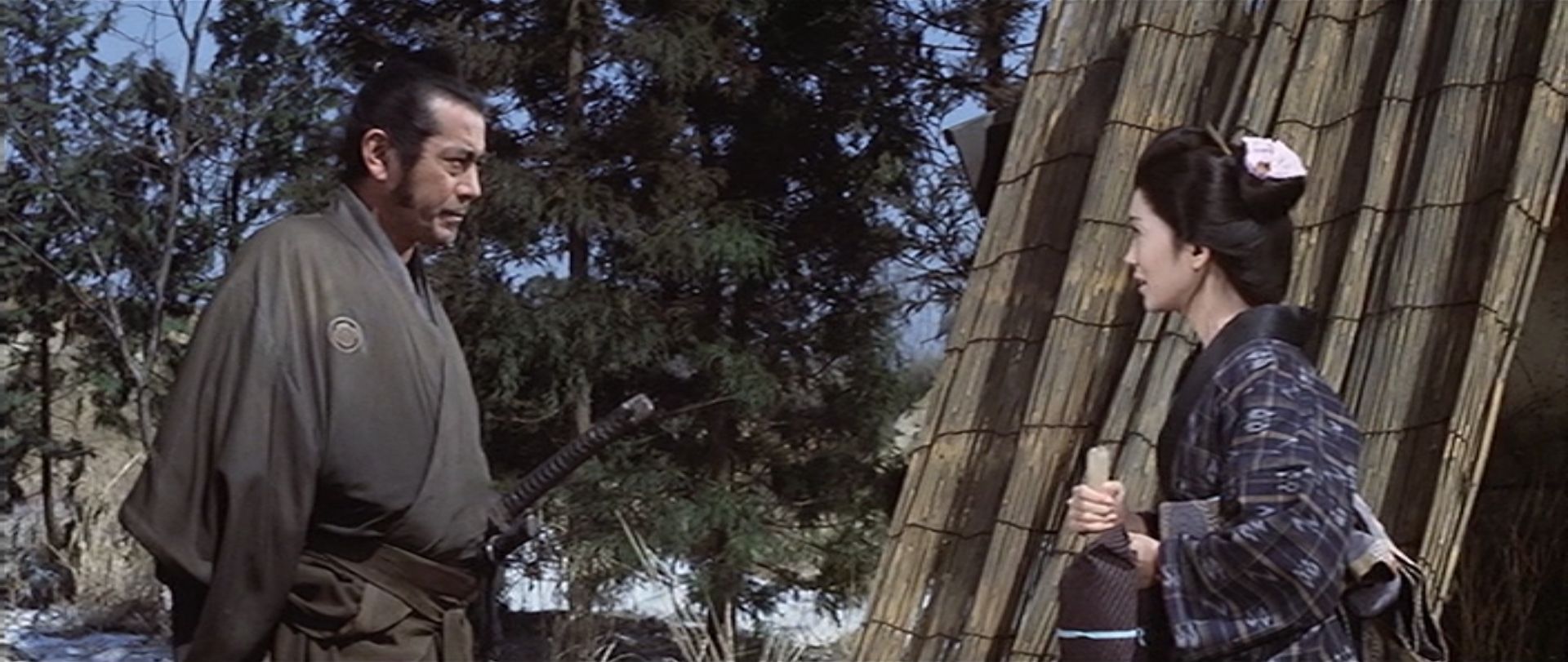
Plot: A Ronin must discover who his friends are and who must die while on a secret mission.
KBZ’s Take: While watching this film, you might be reminded of a more recent Quentin Tarantino film, The Hateful Eight (2015). There are many similarities between the films including various characters who have ulterior motives while placed together in an inn. With that said, Incident at Blood Pass is a good film on first viewing, but even better film after seeing it a second time as you get a feel for the various characters and their motives throughout the film. It’s one of the better films of the microgenre and highly recommended.
Where to Stream / Buy: https://amzn.to/40f93QX
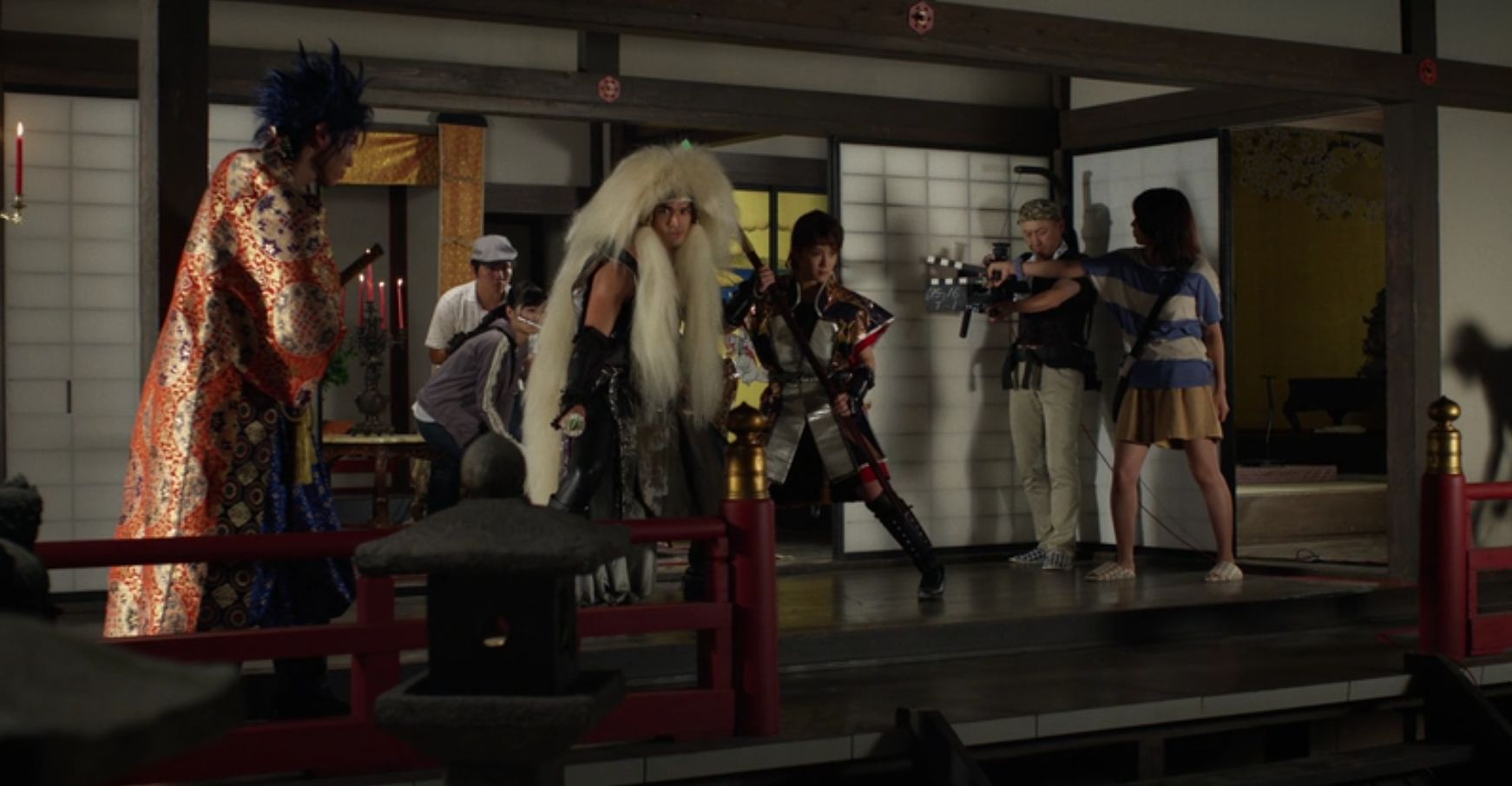
Plot: Fewer samurai films are being made, and the Uzumasa studio has fallen on hard times. One day, veteran “kirareyaku” (whose job it is to be felled with a sword by a film’s star) actor Kamiyama is tasked with teaching sword action techniques to fledgling actress Satsuki. A few years later, the now-retired Kamiyama is visited by Satsuki, who has become a popular star.
KBZ’s Take: This is a great film especially if you like Films About the Film Industry and are curious about how Samurai Films are made. However, the main draw of this film is the amazing performance by Seizô Fukumoto as the aging “kirareyaku” who slowly realizes he’s past the twilight of his career. His eventual bond with new star, Satsuki, is one of the best you’ll see in any film – especially after he mentors her in her first role. Highly recommended film of the microgenre that you should move to the top of your streaming queue right away.
Where to Stream / Buy: https://amzn.to/3Hg32uN
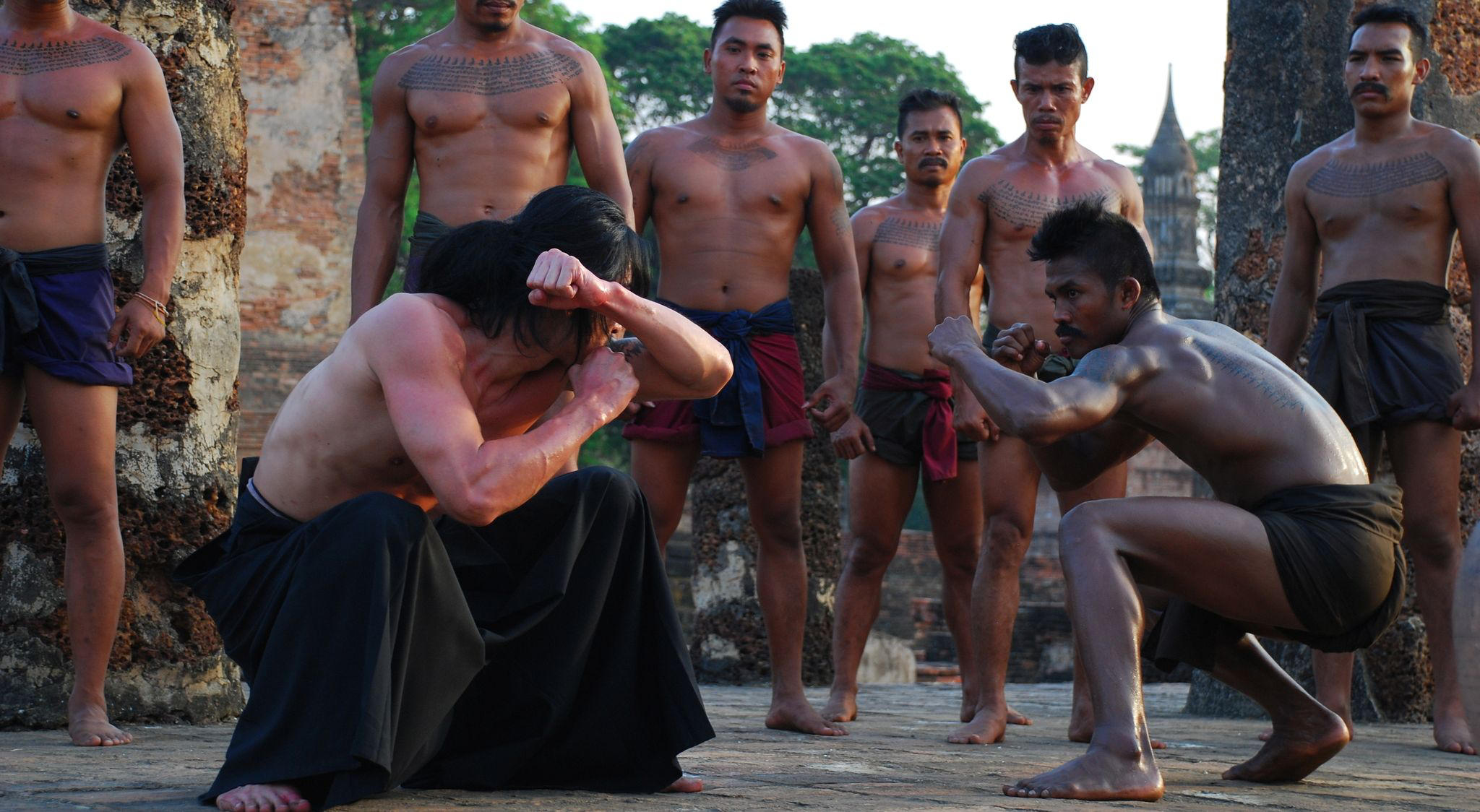
Plot: Japanese forces leave Yamada Nagamasa for dead, but he recovers in a village, where he learns the art of Muay Boran. He becomes a bodyguard for the king and is selected to fight against the elite Japanese warriors who had left him to die.
KBZ’s Take: This film is a bit hard to classify as it’s part Martial Arts Action Film (featuring Muay Boran fighting), part Historical film and part Samurai film. While the film has its detractors claiming it’s not historically accurate in its portrayal of Yamada Nagamasa, it’s still a fun film to watch as the film version of Yamada learns to blend both Samurai fighting skills with those of his new Thai benefactors. There are some great action and fight sequences in this film, and we recommend the film for both fans of the Samurai Film microgenre and Martial Arts subgenre.
Where to Stream / Buy: https://amzn.to/406uymW
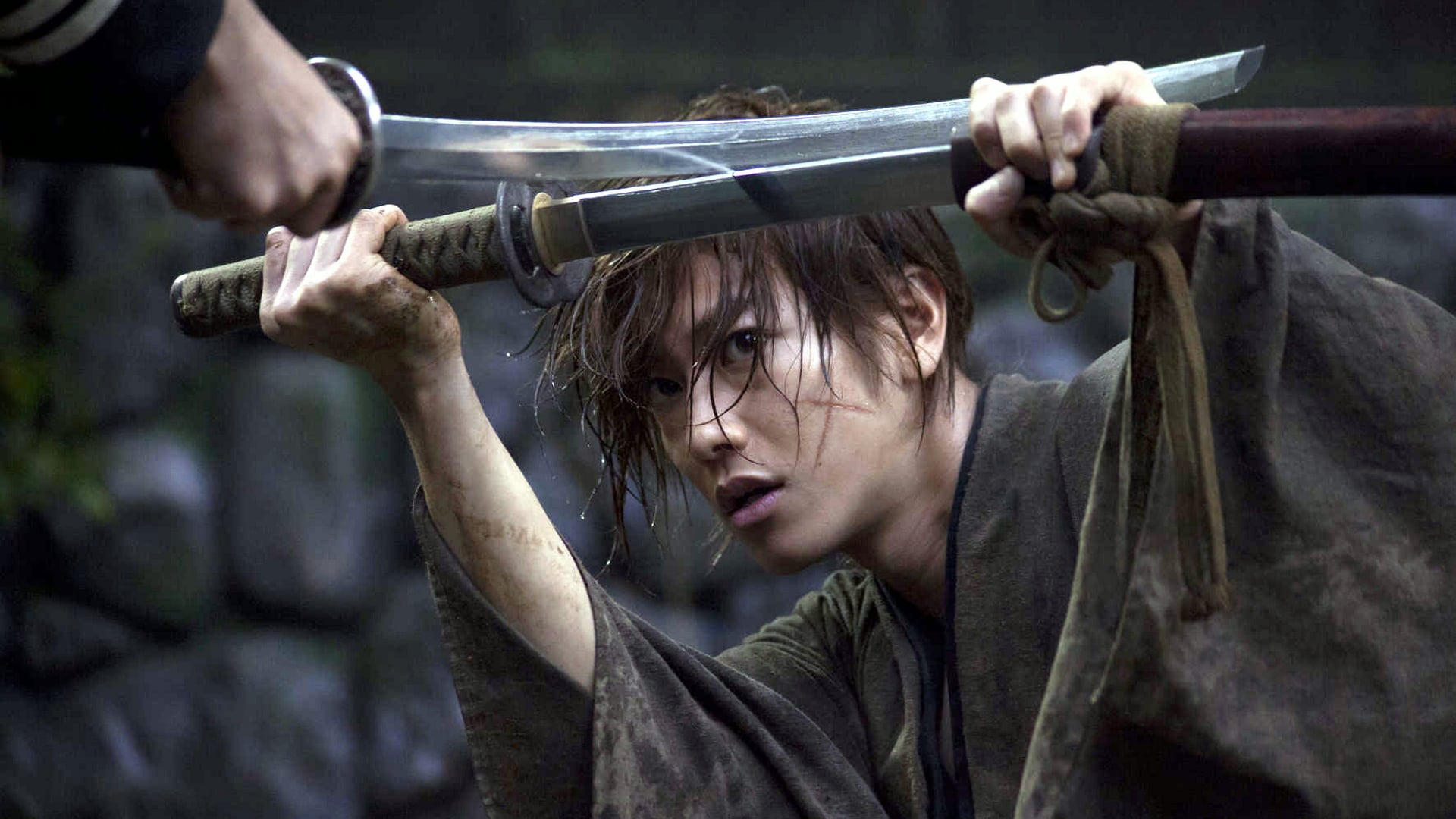
Plot: Former legendary assassin Kenshin Himura has now become a wandering samurai. Offering aid & protecting those in need as atonement for his past deeds. During this time Kenshin Himura comes across and aides Kaoru Kamiya (Emi Takei). Her father opened the Kamiya Kasshin-ryu, a kendo school located in Tokyo and Kaoru is now an instructor there. Kaoru then invites Kenshin to stay at her dojo. Their relationship develops further, but Kenshin is still haunted by his violent past…
KBZ’s Take: Samurai Film purists might not enjoy this film franchise as it was made for modern and younger film audiences. We would liken it to Young Guns (1988) and how that film at the time also was geared towards a younger audience to introduce them to the Western genre. The Rurouni Kenshin franchise is a great entry point for younger fans to learn about Samurai even if it takes some liberties with its storytelling. However, with five films in the franchise, it’s still one of the best of the Samurai Film microgenre.
Where to Stream / Buy: https://amzn.to/40h0ogM
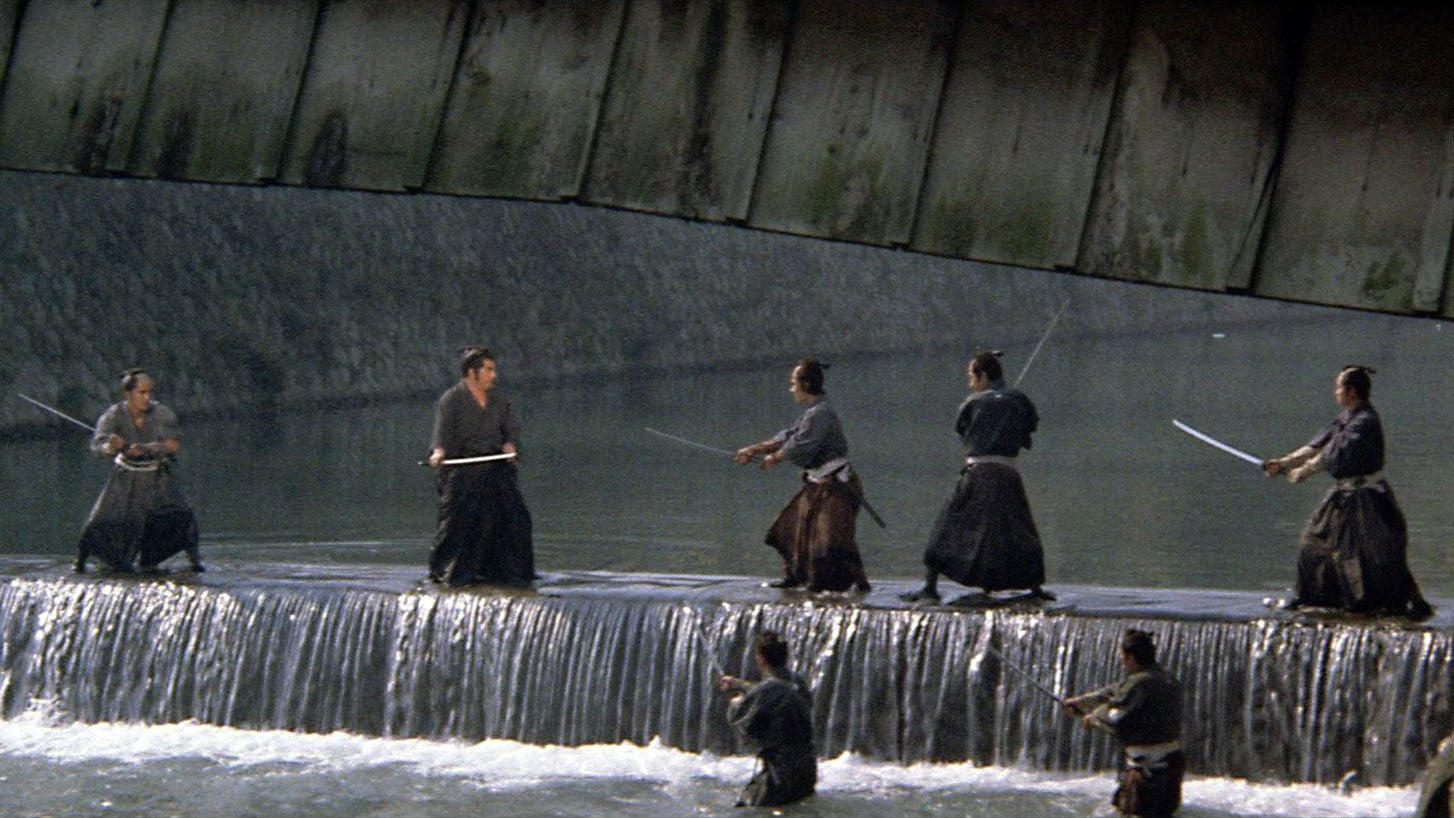
Plot: Ogami Itto, the official Shogunate executioner, has been framed for disloyalty to the Shogunate by the Yagyu clan, against whom he now is waging a one-man war, along with his infant son, Daigoro.
KBZ’s Take: We absolutely had to list the first Lone Wolf and Cub film (and it’s six additional films) as our #1 film of the microgenre. While Rurouni Kenshin is a modern take on Samurai, Lone Wolf and Cub is the classic take. It was one of the best film franchises of the 1970’s and inspired numerous films. These films are so good that during the Ninjas craze of the early 1980’s, Shogun Assassin (1980) was released for Western audiences that featured footage from the first two films of the franchise.
For the film series itself, it’s hardcore, it’s bloody and it features many amazing action and fighting sequences. But above all, it’s the performance of Tomisaburō Wakayama as the infamous Ronin warrior, that make every film in the franchise classics of the Samurai Film microgenre. While Seven Samurai (1954) and Ran (1985) are definitive, classic Samurai films, Lone Wolf and Cub is the franchise of the microgenre that will appeal to both modern and classic audiences.
Where to Stream / Buy: https://amzn.to/3jisWpy